
NYC Heat and Hot Water Rules: What Co-op and Condo Boards Need to Know
October 8, 2026Last reviewed October 16, 2026
From October 1 to May 31, NYC buildings must keep apartments at 68°F by day and 62°F at night, with 120°F hot water all year. What that means for co-op and condo boards, and what to do when the boiler quits.

From October 1 to May 31, every residential building in NYC must keep apartments at minimum temperatures, and hot water is required all year. These rules apply to co-ops and condos just like rentals. In a small building, the people who call 311 when the heat goes out may be your own shareholders or unit owners.
Here are the requirements, how complaints turn into violations, and what to do the night the boiler quits.
The requirements
| When | Requirement |
|---|---|
| Day (6:00am – 10:00pm), Oct 1 – May 31 | If it's below 55°F outside, inside must be at least 68°F |
| Night (10:00pm – 6:00am), Oct 1 – May 31 | Inside must be at least 62°F, regardless of the outside temperature |
| Hot water, all year | At least 120°F at the tap |
Who's responsible in a co-op or condo?
For a building with a central boiler, the co-op corporation or condo association is the "owner" responsible for providing heat and hot water. HPD will issue violations to the building, not to individual units.
If individual apartments have their own heating systems, responsibility may sit with the unit owner under your bylaws or proprietary lease. HPD's view of who is responsible can differ from what your documents say. [verify how HPD treats individually heated condo/co-op units]
How a complaint becomes a violation
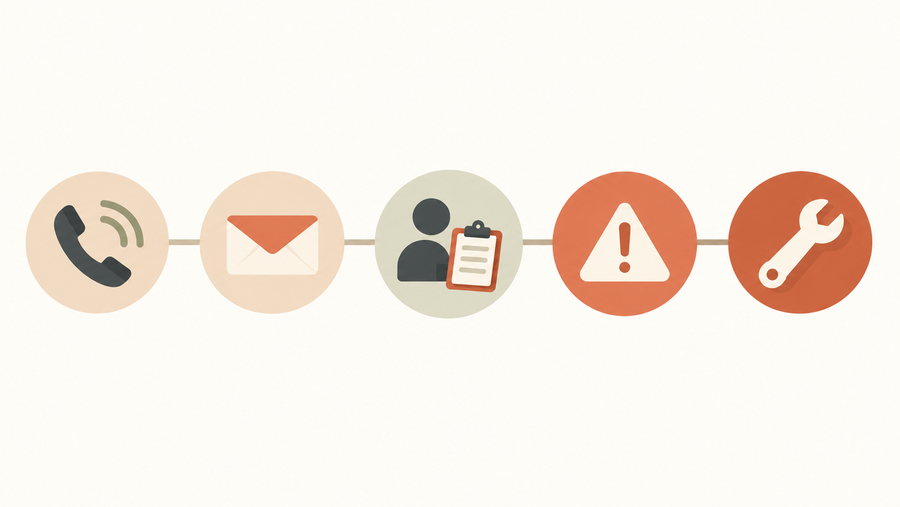
- A resident calls 311 (or files online) about no heat or no hot water.
- HPD tries to contact the owner using the HPD registration contact on file. This is one reason that registration has to be current.
- If the problem isn't resolved, an HPD inspector visits and takes temperature readings.
- If the building is out of compliance, HPD issues a Class C (immediately hazardous) violation. Heat and hot water violations must be corrected immediately.
- If the owner doesn't act, HPD's Emergency Repair Program can make repairs and bill the building, with charges that can become a tax lien. [verify]
HPD can also issue civil penalties for heat violations, and repeat problems can put a building into stricter enforcement programs.
Before the season: a pre-heat checklist
Do this in August or September:
- Service the boiler, including cleaning, safety controls and any burner adjustments. If your building needs an annual DOB boiler inspection (6+ families), pair it with this visit. See Boiler Inspections for Small Buildings.
- Check fuel: an oil delivery schedule, or gas service and meter access.
- Test the thermostat and sensors. Know where the building's heat sensor is and that it reflects real apartment temperatures.
- Bleed radiators or check for cold spots in top-floor and corner units.
- Confirm your emergency contacts: a heating company with 24/7 service, and a backup.
- Update your HPD registration contact if anyone changed. See HPD registration.
- Remind residents how to report problems to the board first (and that they always have the right to call 311).
The night the boiler dies: an outage playbook
In a small building there's often no super. Have this ready before you need it:
- Call your heating company's emergency line. Keep the number in the shared building contacts, not one person's phone.
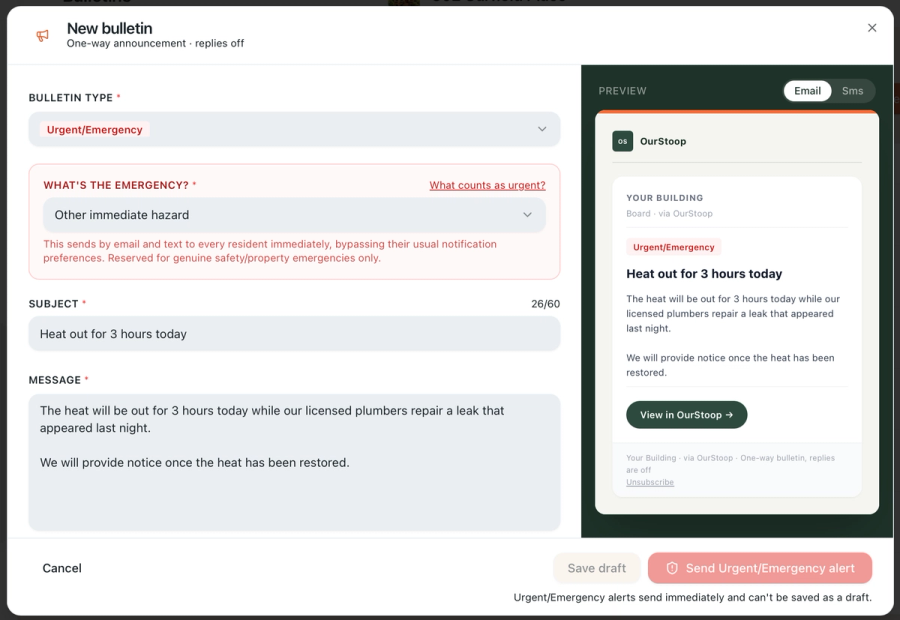
- Tell residents right away. Say what happened, who's been called, and when you'll update them next. A quick, honest notice prevents a wave of 311 calls.
- Check the simple things if it's safe: power to the boiler, the emergency switch, the fuel level, and whether a reset tripped.
- If it'll be more than a few hours in cold weather, consider temporary measures, and know the safety rules on space heaters.
- Log everything: times, calls and temperatures. If HPD inspects, a record of a prompt response matters.
- After the fix, if a violation was issued, certify the correction with HPD. See Understanding NYC Building Violations.
Hot water: the year-round obligation
Hot water rules don't end on May 31. A failed water heater in July is still a violation. Many small buildings use the same boiler for heat and hot water, so in summer, schedule boiler repairs and replacements with short, announced hot water outages.
Frequently asked questions
Can a shareholder or unit owner call 311 on our own building?
Yes. Anyone living in the building can file a complaint, and HPD treats it the same way. The best prevention is a fast, visible response from the board.
What temperature does HPD measure, and where?
Inspectors take readings inside the apartment. [verify HPD measurement method]
What if a resident won't let us in to fix a radiator?
Document your attempts to get access in writing. Your proprietary lease or bylaws usually give the board access rights for repairs.
Are there extra rules for buildings with repeated heat complaints?
HPD has programs that can require heat sensors or other monitoring in problem buildings. [verify current program name and criteria]
Sources
- HPD — Heat and Hot Water
- NYC Heat Season
- Heat and hot water log (PDF)
- HPD Emergency Repair Program
- FDNY space heater guidance
Photo by Julian Hochgesang on Unsplash